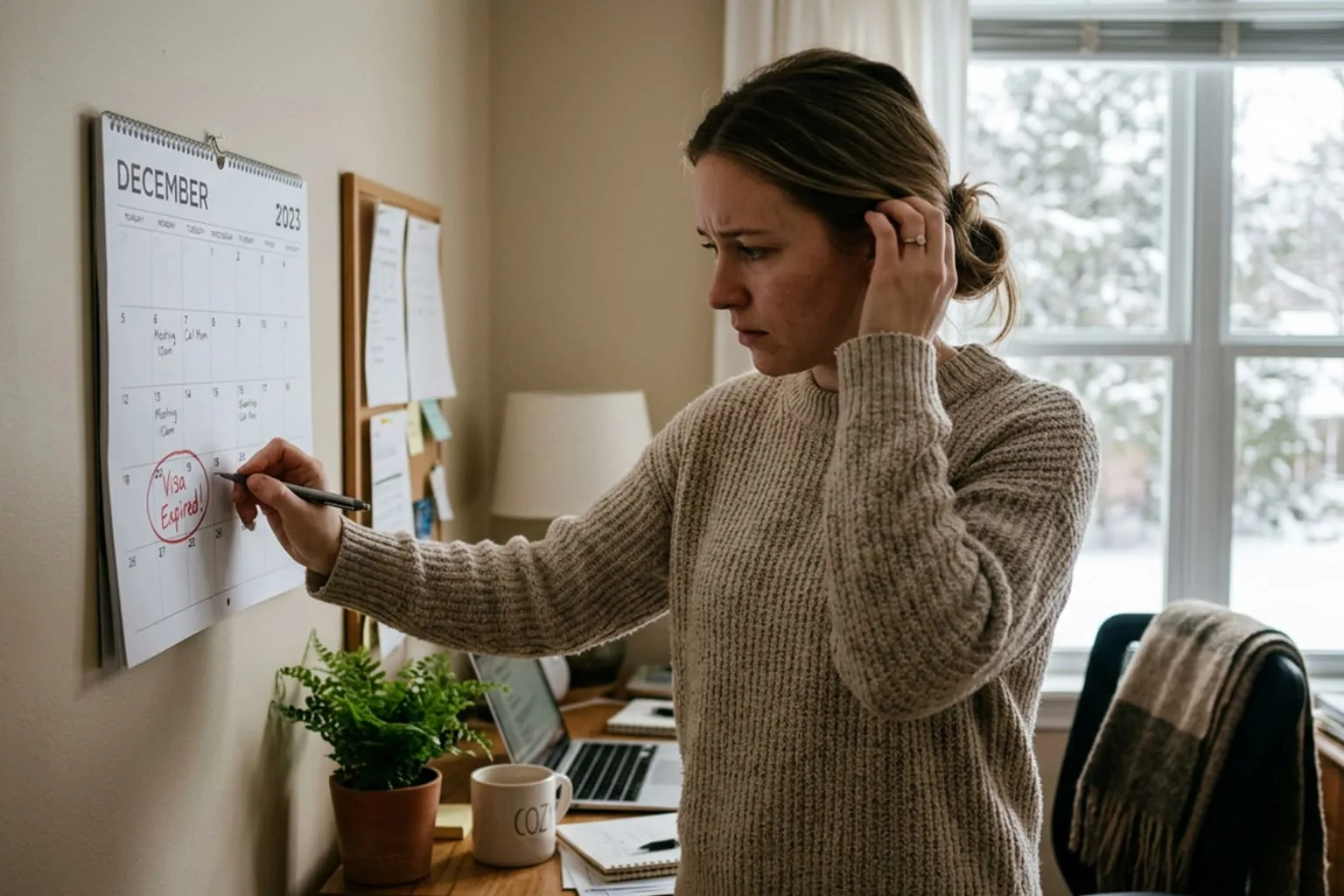





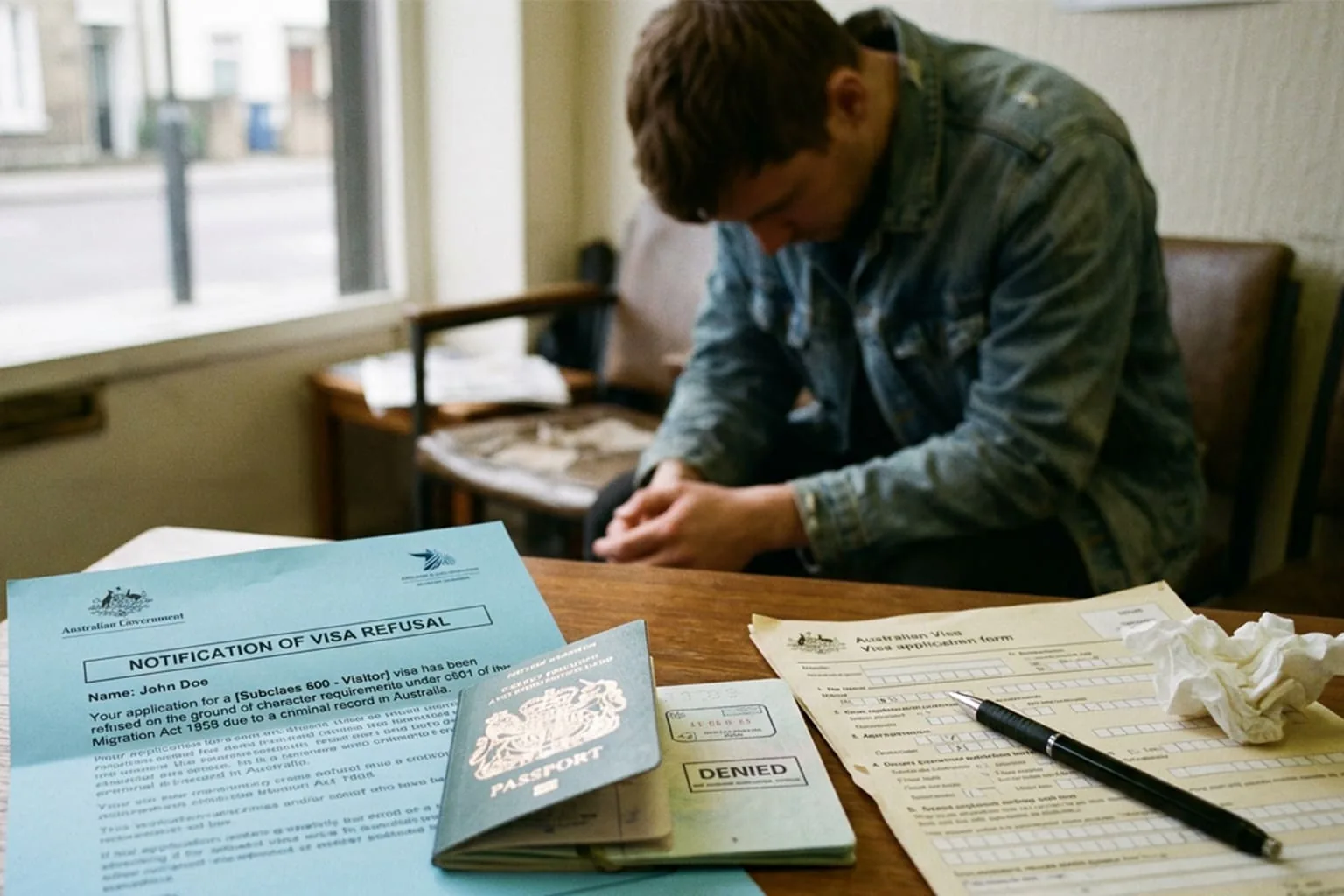
Is this your situation?
You applied for a visa and it was refused because of your criminal record. You want to know whether you can ever get an Australian visa.
How criminal records are assessed
The Department assesses criminal records under section 501. A “substantial criminal record” means a sentence of 12 months or more, whether served in custody or not. Even shorter sentences, spent convictions, charges that did not result in conviction, and overseas criminal records can be relevant.
The severity of the offence, how long ago it occurred, evidence of rehabilitation, your behaviour since the offence, and the visa type you are applying for all affect the assessment.
Whether you can still get a visa
A criminal record does not automatically and permanently bar you from getting any Australian visa. But it makes the process harder and the outcome less certain.
For people with a substantial criminal record, the mandatory cancellation provisions of section 501 apply. The Minister must refuse or cancel the visa unless they personally decide otherwise.
For lesser offences, the decision maker has discretion. Evidence of rehabilitation (completion of programs, stable employment, community involvement, time since offence) is relevant.
How Bullseye Consultant can help
Amanpreet Bhangoo (MARN 1573884) can assess your criminal record against the character test criteria and advise on your realistic prospects. Call (07) 3519 7009.
FAQ
Q: Do I have to disclose spent convictions on a visa application?
Yes. For immigration purposes, all convictions must be disclosed including spent convictions. The Department conducts its own checks and non-disclosure can trigger PIC 4020.