Is this your situation?
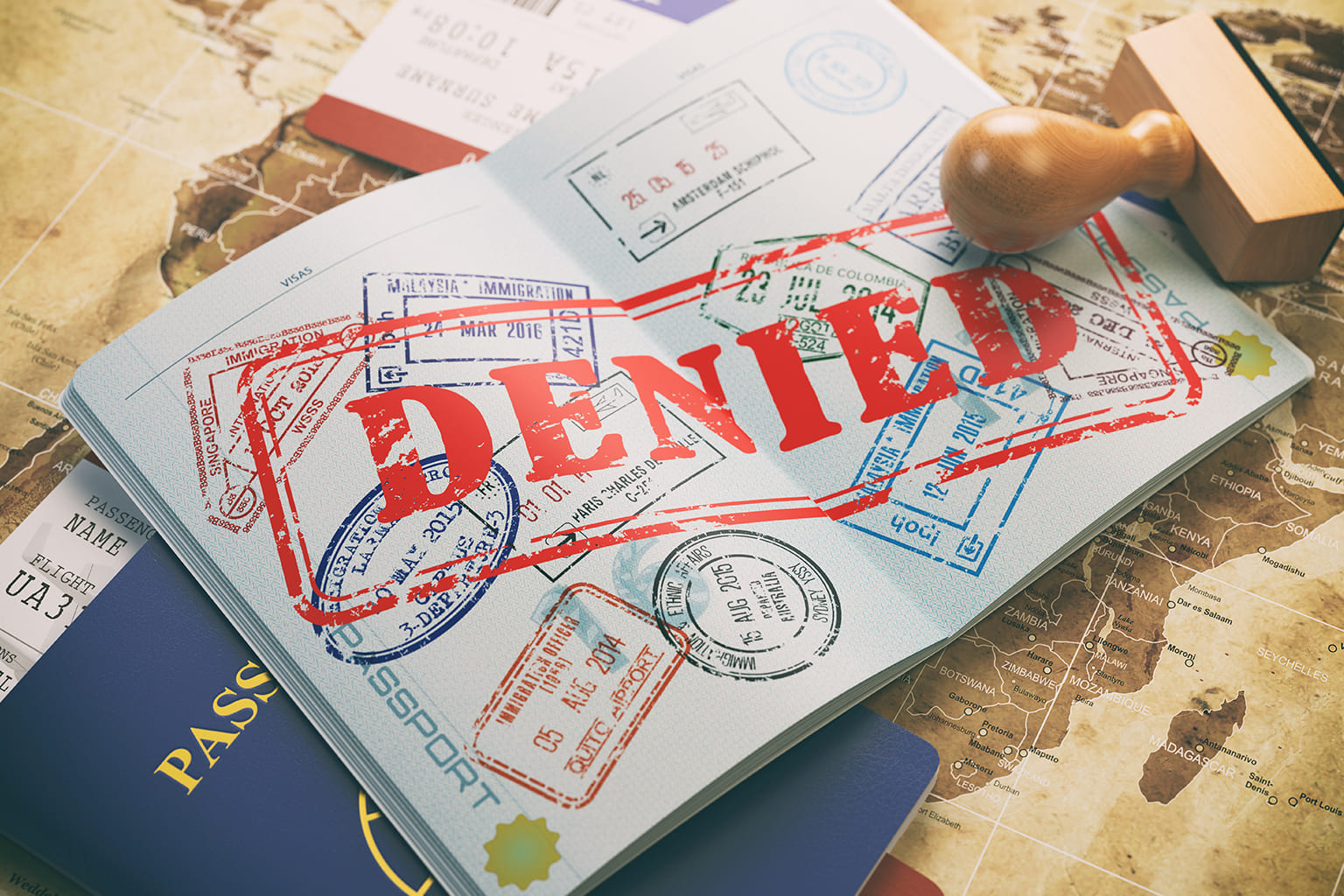
Partner visa (subclass 309/100, 820/801, or 300) has been refused. The Department says it is not satisfied your relationship is genuine, or there is another problem with your application. You know the relationship is real. You live together, you share your lives, and the refusal feels like the government is telling you your relationship does not count. But the problem is not whether the relationship is real. The problem is whether you proved it to the standard the Department requires.
Common reasons for partner visa refusals
The most frequent reason for a partner visa refusal is failure to satisfy the decision maker that the relationship is genuine and continuing. The Department assesses four aspects: financial evidence (joint accounts, shared expenses, financial interdependence), the nature of the household (living together, sharing domestic responsibilities), social aspects (recognition by friends and family as a couple, attending events together), and mutual commitment (future plans together, evidence of building a life as a unit).
A refusal does not mean the Department thinks you are lying. It means the evidence you provided was not enough to satisfy them. The threshold is “satisfied on the balance of probabilities.” If the evidence leaves the decision maker uncertain, they will refuse.
Other reasons for partner visa refusals include PIC 4020 concerns (suspicion that false or misleading information was provided), character issues relating to the sponsor (particularly if the sponsor has a history of family violence), failure to meet Schedule 3 criteria (if the applicant was unlawful when the application was lodged), and insufficient evidence of the relationship having started before the application was made.
The appeal process at the ART
If your partner visa was refused onshore, you generally have 21 days to lodge a review application with the ART. The Tribunal will schedule a hearing, which is usually conducted by video.
Both you and your partner should expect to be questioned, and in many cases you will be questioned separately. The Tribunal member will compare your answers. Inconsistencies in how you describe your daily routine, your relationship history, your financial arrangements, and your future plans will hurt your case. This does not mean you need to have identical answers to every question, but significant contradictions on basic facts are a problem.
The hearing is not a courtroom drama. It is a conversation with the Tribunal member where you explain your relationship and answer their questions. But it is a formal process and what you say is on the record.
What makes a strong partner visa appeal
Strong cases bring concrete, specific evidence that demonstrates an intertwined life. Not just photos at a wedding or holiday, but evidence of ordinary daily life together over time.
Effective evidence includes joint lease agreements or mortgage documents, utility bills and internet accounts in both names, bank statements showing regular transfers between you and your partner, shared subscriptions, statutory declarations from people who have visited your home and can describe specific observations about your living arrangements, communication records if there were periods of separation (call logs, video call history, messages), evidence of meeting each other’s families and attending family events together, joint travel bookings, evidence of mutual commitment such as wills naming each other, superannuation beneficiary nominations, insurance policies, and evidence of caring for each other during illness or difficulty.
The statutory declarations from friends and family are important but they need to contain specific, detailed observations. “They seem happy together” is useless. “I visited their apartment in March 2025 and they showed me the bedroom they share. Sarah was cooking dinner while John helped their daughter with homework. They told me they were saving for a house deposit” is specific and credible.
How Bullseye Consultant can help
Partner visa appeals are one of the most common case types at Bullseye Consultant. Amanpreet Bhangoo (MARN 1573884) and his team will read the refusal carefully, identify the specific evidence gaps, and build a targeted submission for the ART hearing. They will prepare both you and your partner for the hearing so you know what types of questions to expect and how to present your evidence clearly.
Call 0416 965 968 or email info@bullseyeconsultants.com.au.
FAQ
Q: Will my partner and I be interviewed separately at the ART?
Often yes. The Tribunal member may speak to each of you separately to compare your accounts of the relationship. This is standard practice. Prepare by discussing the details of your daily life, relationship history, and future plans together beforehand so you are both comfortable speaking about these things.
Q: How long does a partner visa review take at the ART?
Processing times vary but it is common for partner visa reviews to take 12 to 18 months or longer. During this time you should be on a bridging visa if you applied onshore. The wait is frustrating, but use it to gather additional relationship evidence that covers the period between the refusal and the hearing.